コンサートの夜
なぜウィーンは毎夜、これを続けるのか
モーツァルトは人生最後の10年をウィーンで過ごし、半世紀後には「ワルツ王」ヨハン・シュトラウス2世がウィーンの象徴となりました。この二人が、ウィーンに決して手放さない音楽的アイデンティティを刻みました。特筆すべきは、ウィーンがこの歴史を博物館の展示品にせず、毎夜の生きた演奏に変えたことです。テーマ性のある会場で室内オーケストラが、モーツァルトとシュトラウスの作品を中心に構成されたプログラムを、年間のほとんどの夜に演奏します。それは、ウィーンが常にこの音楽を聴いてきた方法——生演奏で、室内で、その場にふさわしい装いで、まさにそのための空間で——を訪れる人々に届けるためにあります。
実際の夜の雰囲気
灯りに照らされた華やかな建物に到着すると、観光客と地元の人々が入り混じった客席へ案内され、約2時間にわたって室内オーケストラの演奏が繰り広げられます。ときにはソプラノとバリトンが加わってオペラの抜粋を、またあるときは時代衣装をまとったカップルが短いワルツを披露することも。プログラムは序曲、アリア、ワルツで構成されています。本格的なフィルハーモニーの定期演奏会ほど堅苦しくなく、むしろ演劇的な趣き——たいていは司会者がいて、少しばかり観客参加もあり、休憩時間にはドリンクも楽しめます。これまでクラシックコンサートに座ったことがない方でも、威圧的ではなく親しみやすい入門編として意図的に作られているのです。
ウィーン・フィルハーモニーではありません。それで構いません。
これらのコンサートについて正直に申し上げる価値があります。ウィーン・フィルハーモニーとウィーン交響楽団は、しばしば同じホールで、それぞれ別の、予約がはるかに難しい定期公演シーズンを開催しています。夜毎のモーツァルト&シュトラウス・コンサートは、異なる小規模なアンサンブルを起用します。彼らは高度にプロフェッショナルな現役演奏家であり、数名は市内の主要オーケストラの現役または元メンバーですが、フルオーケストラのシーズンではなく、短く観客に喜ばれるプログラムを演奏します。正直に申し上げれば、まさにその点が、1年前から計画する定期会員権ではなく、数日前の予約で一回限りの訪問を可能にしている理由です。
おすすめのコンサートと会場
Musikverein、クアサロン、カール教会、それともシェーンブルン宮殿?
「ウィーンのモーツァルト・コンサート」とひとくくりに言っても、実は一つの商品ではありません。それぞれに固有の歴史と独自の夜の趣を持つ、いくつもの異なる会場があるのです。どれかが客観的に「優れている」というわけではなく、重視するポイント次第でふさわしい会場が変わってきます。
あの有名な会場
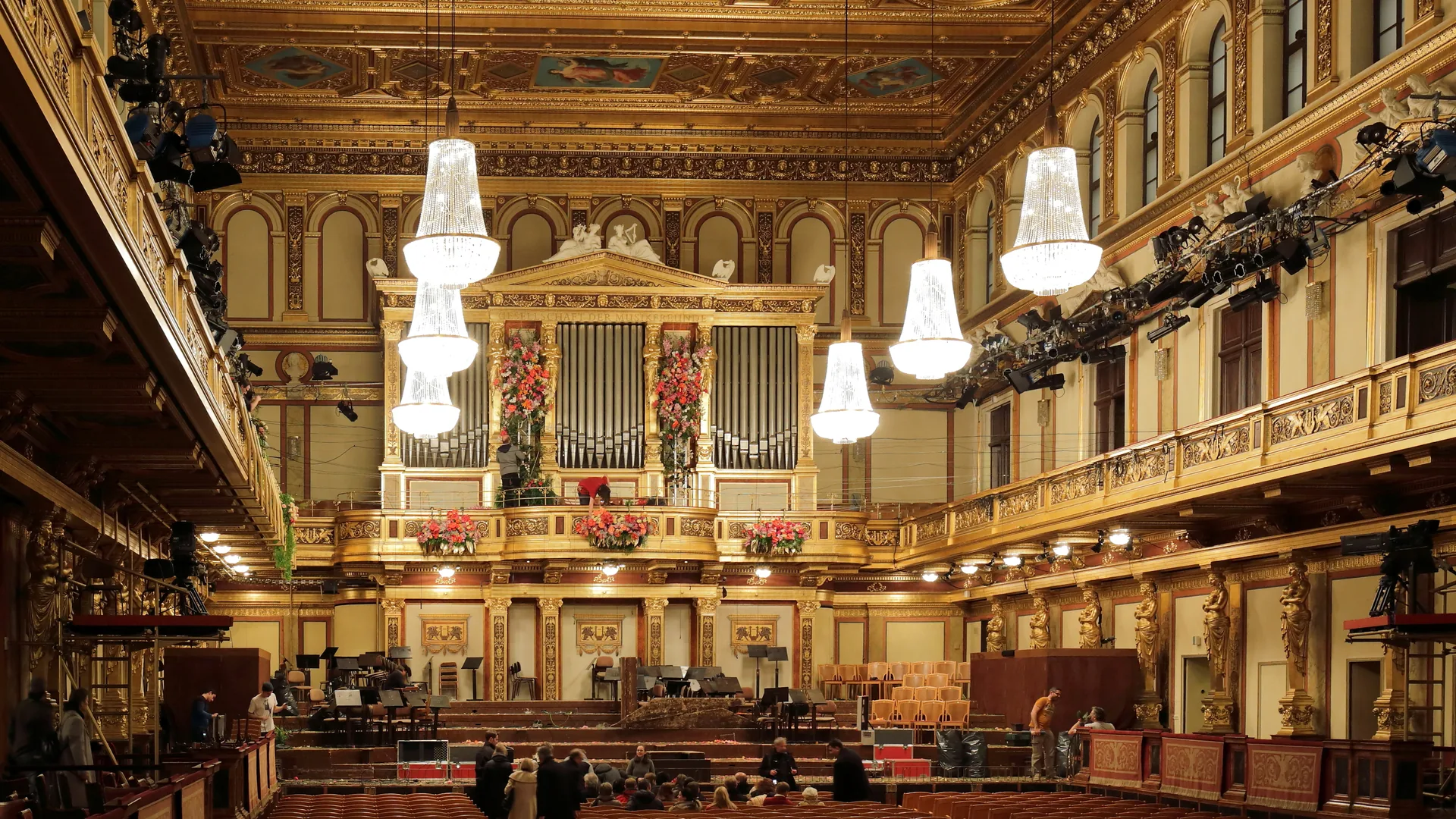
Musikverein — 黄金の間
1870年に開館し、テオフィル・ハンセンが設計した楽友協会の黄金ホール(Goldener Saal)は、ウィーン・フィルハーモニー管弦楽団がテレビ放送されるニューイヤーコンサートで使用する会場であり、世界でも屈指の音響を誇るコンサートホールとして広く評価されています。ここで行われるウィーン・モーツァルト管弦楽団のコンサートでは、歴史的な衣装とかつらを身にまとった演奏が楽しめ、フィルハーモニーが演奏しない夜に、あの金色に輝く彫像が並ぶ同じホールに立てるのです。プログラムの内容を問わず、ウィーン古典音楽を象徴する最も有名なホールを体験したい方にぴったりの選択です。
シュトラウスゆかりの地
クアサロン・ウィーン
1867年に市立公園(シュタットパルク)内に建てられたクアサロンは、ヨハン・シュトラウス2世自身がかつて指揮台に立った場所であり、今も彼のワルツやオペレッタと深く結びついています。ここで開かれるコンサートは、モーツァルトとシュトラウスの組み合わせのうち、よりシュトラウス寄りの色合いが濃く、ワルツやポルカが多めに演奏されるほか、フォークダンスの演目が入ることもあり、ディナー付きのプランも用意されています。夜のプログラムのうちモーツァルトよりもシュトラウスの部分を重視したい方や、食事もあわせて楽しみたい方に向いています。
バロック様式の教会という舞台
Karlskirche
1737年に完成したカール教会(Karlskirche)は、ヨハン・ベルンハルト・フィッシャー・フォン・エルラッハの設計によるウィーンでも屈指の壮麗なバロック建築で、巨大なドームの下で合唱や管弦楽のコンサート——モーツァルトの《レクイエム》を含む——が定期的に開かれています。会場の雰囲気はホテルの宴会場のようなテーマ型コンサートよりも荘厳で、教会内部ならではの音響と視覚的な佇まいは、専用に建てられたコンサートホールとは根本的に異なります。衣装や演出よりも、建物そのものと音楽の組み合わせを主役にしたいなら選ぶ価値があります。
帝国の宮殿で過ごす夜
シェーンブルン宮殿 — オランジェリー
シェーンブルン宮殿にも独自のモーツァルトとの縁があります。伝えられるところでは、1762年にわずか6歳だったモーツァルトが、この宮殿でマリア・テレジア女帝の前で演奏したといいます。宮殿内のオランジェリーで開かれるコンサートは、特定のホールの音響的な評判よりも、この帝国の舞台そのものに重きを置いており、宮殿見学やディナーを含む夜の一部として組まれることが多くなっています。シェーンブルンの見学がすでに旅程に入っているなら、二度足を運ぶよりもコンサートと組み合わせたい方に向いています。
演奏予定の曲目
モーツァルト&シュトラウス・プログラムの中身
実際の演目は?
プログラムは夜や会場によって異なりますが、構成は一貫しています。モーツァルトの最も有名なオペラ(魔笛、フィガロの結婚、ドン・ジョヴァンニ)からの序曲とアリア、彼の管弦楽曲と室内楽曲の数々、そしてヨハン・シュトラウス2世のワルツとポルカの連続——『美しき青きドナウ』はほぼ間違いなくその夜のどこかで含まれます。ウィーン・モーツァルト管弦楽団の編成にはオペラ曲のためのソプラノとバリトンが含まれ、短いワルツを踊る衣装を着たカップルが加わることもあります。
フルオーケストラか、室内楽編成か?
予約の前にこれを確認する価値があります。なぜなら、編成によって音の厚みも料金も変わるからです。フル編成のオーケストラは、楽友協会大ホールのような空間をより大きな音で満たします。一方、小編成の室内アンサンブルは、交響楽的な響きよりも親密で繊細です。どちらが「上」ということはありません。これらの夜に通常組まれる、より軽やかで演劇的なプログラムには室内アンサンブルがよく合い、フル・オーケストラはフィルハーモニーや交響楽団の定期演奏会で耳にするものに近いと言えるでしょう。
所要時間と休憩について
ほとんどの公演は夕方に1回の休憩を挟みます。この休憩中にドリンクが提供されるのが通例で、プログラムがお好みに合わない場合に席を立つ自然なタイミングでもあります。会場によっては、より短い1幕形式の公演を販売したり、コンサート前のディナーを追加して夜全体を3時間以上に延ばしたりしています。具体的な上演時間と休憩の構成は、各公演情報に記載されています。
ウィーンでのコンサート夜の過ごし方
ご希望の日程に合ったモーツァルト&シュトラウスコンサートを探す
以下のすべてのオプションはGetYourGuideで予約可能。リアルタイムの空き状況と、お支払い前にご自身の通貨で表示される最終価格をご確認いただけます。
ドレスコードとマナー
ドレスコードとマナー
ブラックタイは必要ありません
これは最もよくある心配の種ですが、率直に申し上げれば、ブラックタイは必要ありません。ただし、主催者はエレガントな装いを推奨しており、Musikvereinはスポーツウェアを避けるよう来場者に求めています。ジャケットやスマートなセパレーツなら、十分に馴染めるでしょう。タキシードは本物のウィーン・オペラ舞踏会のために取っておいてください。これらの夜のコンサートは、観光着より一段上の装いが求められるものの、ブラックタイではありません。
実際に避けるべき服装
ショートパンツやビーチサンダル、スポーツウェアは、会場でそれを着ている人がほとんどいないため、何より目立ってしまいます。それ以外に厳格なルールはなく、入口で服装をチェックされることもありません。迷ったら、少し良いレストランへ食事に行くときのような服装を選べば、ウィーンのコンサートの夜にふさわしい装いになります。
公演中のマナー
携帯電話はサイレントにしてしまい、演奏中は写真撮影も動画撮影も禁止です(ムジークフェラインの館内規則では、許可なく前後にビデオや音声を録音することも禁じられています)。また、拍手は通常、楽章の間ではなく一曲全体が終わったときに贈るものです。いつ拍手すべきか迷ったら、周囲より半拍遅れて拍手するのが安全です。遅れて来場した場合は、自然な区切りまで扉の外で待つよう求められるのが一般的ですので、時間どおりに到着できるよう余裕を持って行動しましょう。
到着と時間の目安
到着とタイミング
開演時間と到着の目安
モーツァルト&シュトラウス・コンサートの多くは早めの時間帯、だいたい19時30分から20時30分の間に始まり、開場とチケット窓口はその30〜45分ほど前から当日券や引き換え対応のために開いています。開演の少なくとも20〜30分前には会場に着いておくのが理想です。それより遅くなると、クロークや座席をめぐって観客全体と競うことになったり、休憩まで場外で待たされたりするおそれがあります。
会場までの行き方
Musikverein とカール教会は、どちらもカールスプラッツ近くのリングシュトラーセ沿いにあり、ウィーン中心部のほとんどのホテルから徒歩圏内、あるいはUバーンで数駅の距離です。クアサロンは市立公園(シュタットパルク)内にあり、同じエリアから同じくらい短い距離で歩いて行けます。シェーンブルンだけは別格です。中心部からUバーンで移動する必要がある独立した宮殿の一角にあるため、この夜だけは移動時間を余分に見ておきましょう(宮殿見学と組み合わせる場合は、コンサート前の時間も余分に確保してください)。
チケット、座席、休憩時間について
予約確認書をご持参ください。入場方法が記載されており、主催者は電子チケットをお持ちのお客様に、入場確認用として印刷したものをお持ちいただくようお願いしています。座席は通常、価格帯(1階席か2階席か、あるいは番号付きの列)によって割り当てられるため、どこに座るかは基本的に先着順ではなく、ご予約いただいた内容によって決まります。休憩時間は、事前に注文したドリンクを受け取ったり、クロークを利用したり、後半の前に少し体を伸ばしたりするのにちょうどよいタイミングです。
Guides
ウィーンでのコンサート夜を計画する
カールスプラッツ、シュタットパーク、そして宮殿がひとつ郊外に
Uバーンでウィーンのモーツァルト・コンサートホールへ
ウィーンのモーツァルト&シュトラウス会場のほとんどは、カールスプラッツまたはシュタットパークから数分以内に位置しています。各ホールへの行き方、到着すべき時間、そして余分に移動時間が必要な夜をご案内します。
続きを読む →ディナーパッケージ、コンサートのみ、それともVIP
ウィーン・モーツァルト・コンサート:どれを予約すべきか
ディナーパッケージかコンサートのみか、どのホールか、直接予約かGetYourGuide経由か、そしてこの夜が向かないのは誰か。主催者に確認済み。
続きを読む →アクセス、服装、所要時間、マナー
ウィーンコンサートの夕べ:知っておきたいこと
モーツァルトコンサートの所要時間、Uバーンで楽友協会へ行く方法、服装、携帯電話と写真のルール、車椅子とお子様の入場について。
続きを読む →プログラムの詳細
ウィーン・モーツァルト&シュトラウス・コンサートの背後にある音楽
アイネ・クライネ・ナハトムジーク、魔笛のアリア、美しく青きドナウ、ラデツキー行進曲——プログラムは何か、そしてこの曲の組み合わせが今もなお心を掴む理由とは。
続きを読む →なぜウィーンなのか、なぜ音楽なのか
ウィーン:モーツァルトとシュトラウスがともに故郷と呼んだ街
1781年、モーツァルトがこの地に降り立ち、一世紀後にはシュトラウスのワルツが舞踏会を席巻した——一つの都市が、二世紀にわたるクラシック音楽を生み出し、今もなお奏で続ける、その物語。
続きを読む →コンサートホールのその先へ
ウィーン・モーツァルト・コンサートの旅で他に見るべきもの
モーツァルトが唯一現存するウィーンの住まい、国立オペラ座、体感型の音の博物館、そしてカフェハウスの伝統——コンサートを中心にもっと充実した一日を組み立てる方法。
続きを読む →GEO/FAQ
予約前に寄せられるよくある質問
ウィーンのモーツァルト・コンサートを楽しむには、クラシック音楽の知識が必要ですか?
いいえ、これらのコンサートはあくまで一般の方向けに設計されており、クラシック通の方には物足りないかもしれません。各曲を平易な言葉で紹介する司会者、モーツァルトとシュトラウスの最も親しみやすい名曲を中心としたプログラム、堅苦しさのない劇場的な雰囲気が特徴です。初めてクラシックコンサートに足を運ぶ方も多く、まさにそうした方々にぴったりと設計されています。
楽友協会、クアサロン、カールス教会のコンサートの違いは何ですか?
楽友協会の黄金のホールは、ウィーン・フィルが新年コンサートで使用する有名な会場で、ホールそのものに魅力を感じる方に最適です。クアサロンは、ヨハン・シュトラウス2世が自ら指揮した由緒ある場所で、ワルツやポルカ、ディナーオプションが充実しています。カールス教会はバロック様式の教会で、ドームの下で合唱やオーケストラコンサート(モーツァルトのレクイエムなど)が開催され、より厳かな雰囲気で、衣装や演出は控えめです。会場の雰囲気とプログラムのバランスでお選びください。
シェーンブルン宮殿のコンサートは、他の会場より価値がありますか?
何を重視するかによります。シェーンブルン宮殿オランジェリーでのコンサートは、宮殿の帝国の雰囲気と、1762年にモーツァルト自身がマリア・テレジア女帝の前で演奏したという歴史を売りにしており、宮殿見学やディナーとセットになっていることが多いです。ウィーン観光でシェーンブルン宮殿を既に予定しているなら、コンサートと組み合わせることで別途訪問の手間が省けます。一方、楽友協会の音響やシュトラウスとの関連性を特に重視するなら、市内中心部の会場の方が適しています。
ドレスアップは必要ですか? 燕尾服ですか?
いいえ、ブラックタイは必要ありませんが、主催者はエレガントな服装を推奨しており、ムジークフェラインはスポーツウェアを避けるようお客様に求めています。ジャケットや素敵なドレスであれば問題なく馴染めます。本当に避けるべきなのは、半ズボン、ビーチサンダル、スポーツウェアだけです。それは単に、それを着ているのがあなただけになってしまうからです。ブラックタイはウィーン・オペラ舞踏会のためのもので、こうした毎夜のコンサートのためのものではありません。
コンサートの時間はどのくらいですか? 休憩はありますか?
ほとんどのモーツァルト&シュトラウス・コンサートには休憩が1回含まれています。通常はそこでドリンクが提供され、少し外に出ることができます。会場によっては、より短い形式や、夜を3時間以上に延ばすディナー付きコンサート・パッケージを提供しているところもあります。正確な上演時間は、各公演の詳細に記載されています。
実際に何が聴けるのですか? 本当にモーツァルトとシュトラウスの両方ですか?
はい、ほとんどのプログラムに含まれています。モーツァルトの最も有名なオペラ(『魔笛』『フィガロ』『ドン・ジョヴァンニ』)からの序曲やアリア、彼の器楽作品のいくつか、そしてヨハン・シュトラウス2世のワルツとポルカの数々が期待できます。『美しき青きドナウ』は、これらのプログラムの大半のどこかで登場します。ウィーン・モーツァルト管弦楽団の編成には、オペラ曲のためのソプラノとバリトンが含まれており、中には短いワルツを踊る衣装を着たカップルが加わることもあります。
どのくらい前に予約すべきですか?
これらのコンサートは毎晩ではなく、週に数回の夜に開催され、こちらは完売が予想される公演です。予約カレンダーを開いて、まだ席がある日付と、各日付で提供されているオプションを確認し、ご都合に合う夜を予約してください。
コンサートは何時に始まりますか?また、何時に到着すればよいですか?
大半の公演は夕方早め、通常は午後7時30分から8時30分の間に始まり、チケット売り場は開演の30~45分前に開きます。チケットの受け取り、クロークの利用、そして席への移動を慌てずに行うため、開演の少なくとも20~30分前には到着することをお勧めします。遅刻された方は、通常、休憩時間まで入場をお待ちいただくことになります。
これはウィーン・フィルハーモニー管弦楽団のコンサートと同じですか?
いいえ、その点は明確にしておく価値があります。ウィーン・フィルハーモニー管弦楽団とウィーン交響楽団は、それぞれ独自の定期公演シーズンを運営しており、しばしば同じ会場で行われますが、それらのチケットは直前での入手がかなり困難です。毎夜開催されるモーツァルト&シュトラウス・コンサートでは、別の小規模なアンサンブルが出演します。プロの音楽家たちで、中には主要オーケストラと関わりのある者もおり、定期購入ではなく一晩限りの体験を求める旅行者のために、より短く親しみやすいプログラムを演奏します。
コンサート中に写真を撮ってもいいですか?
一般的には、公演が始まると撮影はできません。ほとんどの会場では携帯電話をしまうよう求められ、曲の演奏中は写真や動画の撮影が許可されていません。これは他のお客様や演奏者への礼儀でもあります。ムジークフェラインの館内規則では、特別な許可なく公演の前後に映像・音声を録音することも禁止されていますので、ホール内で撮影する前には必ず確認してください。
会場への行き方と、駐車場と公共交通機関のどちらが便利ですか?
ムジークフェラインとカールス教会は、どちらもリングシュトラーセ沿いのカールスプラッツ近くに位置し、ほとんどの中心部のホテルから徒歩または地下鉄1駅でアクセス可能です。ウィーン中心部の交通渋滞と限られた駐車事情を考慮すると、公共交通機関が圧倒的に便利な選択肢です。シュタットパルク内のクアサロンも同様に中心部にあります。シェーンブルン宮殿は別の宮殿複合施設で、中心部から地下鉄で移動する必要があるため、その夜は余裕を持った移動時間を確保してください。
表示されている価格が最終的なものですか?また、予約の仕組みはどうなっていますか?
予約はGetYourGuideを通じて行います。同サイトでは、支払い前にご希望の通貨での最終価格が表示され、特定の日付に対するキャンセルポリシーも事前に明示されます。表示された価格がお支払いいただく金額であり、チェックアウト時に隠れた手数料が追加されることはありません。私たちはコンサートシーンに関する独立したガイドであり、オーケストラ、会場、チケット売り場ではありません。予約手続き自体はGetYourGuideの安全なチェックアウトシステムによって処理されます。